AWARD WINNING TOURS

Stonehenge Private Access Inner Circle Guided Tours. Book this unique 2026 experience now!
Plan ahead and secure your spot for the exclusive 2026 sunset or sunrise VIP access tours! This is more than just a visit; it’s a memorable experience and a chance for breathtaking photos. Begin or conclude your special day with a private inner circle tour of Stonehenge. This stunning wonder of the world is shrouded in mystery and dates back around 5,000 years—older than the Egyptian pyramids! Recognized as a World Heritage Site, it’s believed to serve as a place of healing, an astronomical clock, and a significant religious site. Don’t miss out on this unique opportunity!
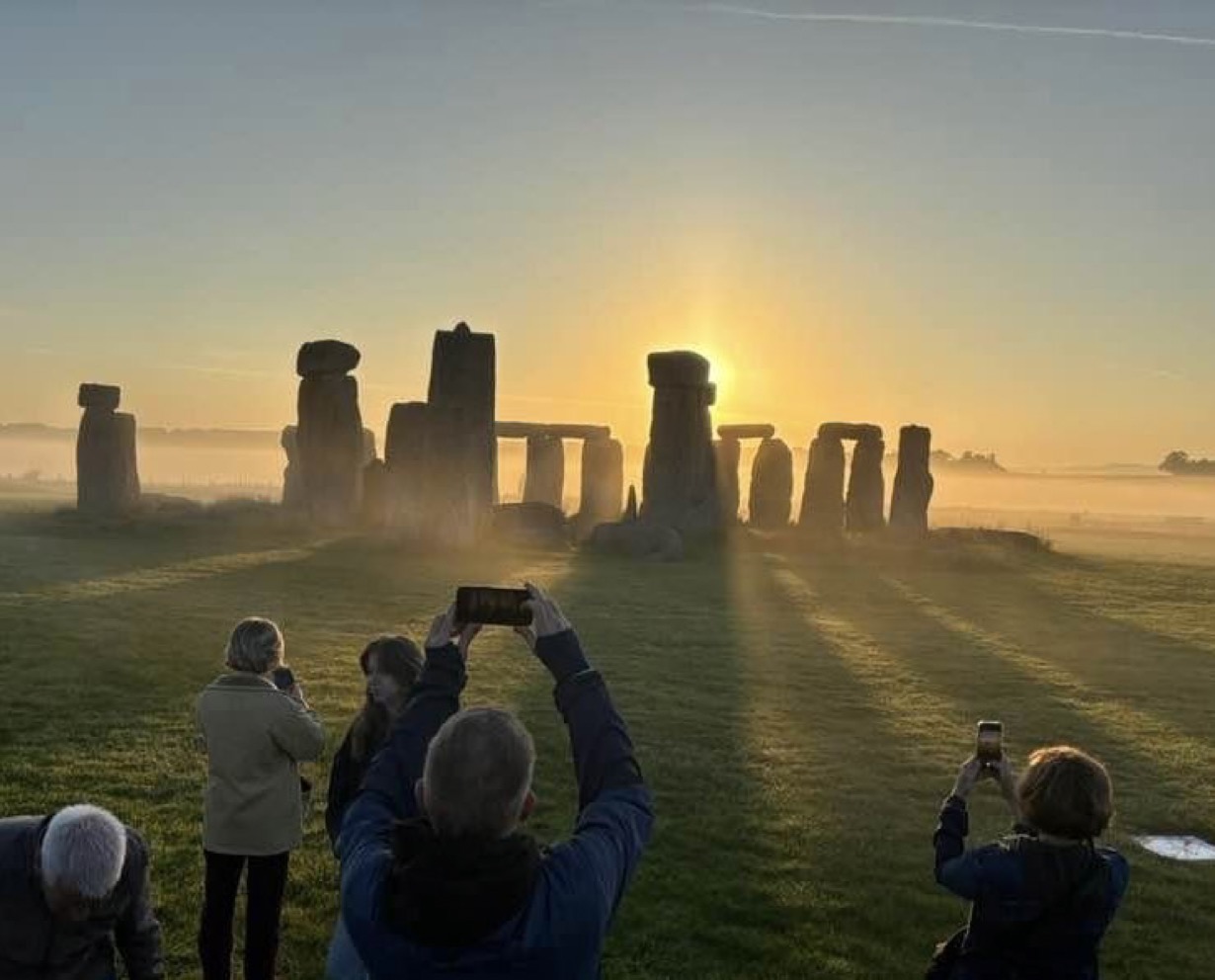
Our personalized Stonehenge tours consistently earn 5-star ratings on Trip Advisor and other reputable review platforms. We invite you to explore the feedback from our valued customers, gathered over our 29 years in business. We pride ourselves on delivering excellence as a standard practice.
Our private guided tours can depart from London, Salisbury, Bath, Southampton or Oxford.
We also offer our exclusive ‘Meet at Stonehenge option’ with a guided walking tour of the greater landscape and inner circle experience.
Please visit our website for more details
The Local Stonehenge Experts
www.StonehengeTravel.co.uk
WINNER: BEST ‘HISTORICAL TOUR OPERATOR’ 2021 / 2022 / 2023 / 2024 / 2025
WINNERE: ‘BEST CRUISE SHIP TOUR OPERATOR’ 2023 / 2024 UK NAUTICAL TOURISM AWARDS
Are you arriving into Southampton Cruise Ship Port? Take a transfer tour and make the most of the historic and beautiful landscape that lies in between?
It is far too easy to storm up the M3, Southampton to London, oblivious to the history that is hurtling past you. Hampshire and Wiltshire play host to some of the country’s richest historical cities, so easily accessible from Southampton’s beckoning harbour. So instead of rushing past, take a tour transfer – see Stonehenge, Windsor Castle, Bath and its surrounding area, teeming with Neolithic history. Turn a commute into an adventure, a private tour experience exhibiting the best of the area which you almost missed! Our luxury minivans are spacious and have ample luggage space.
- Southampton – Stonehenge – Salisbury – London Heathrow Airport Terminals
- Southampton – Stonehenge – Windsor Castle – Central London
- Southampton – Stonehenge – Highclere Castle (Downton Abbey) – London
- Southampton – Winchester – Stonehenge – Salisbury – Southampton
- Southampton – Stonehenge Access – Traditional Country Pub Lunch – London
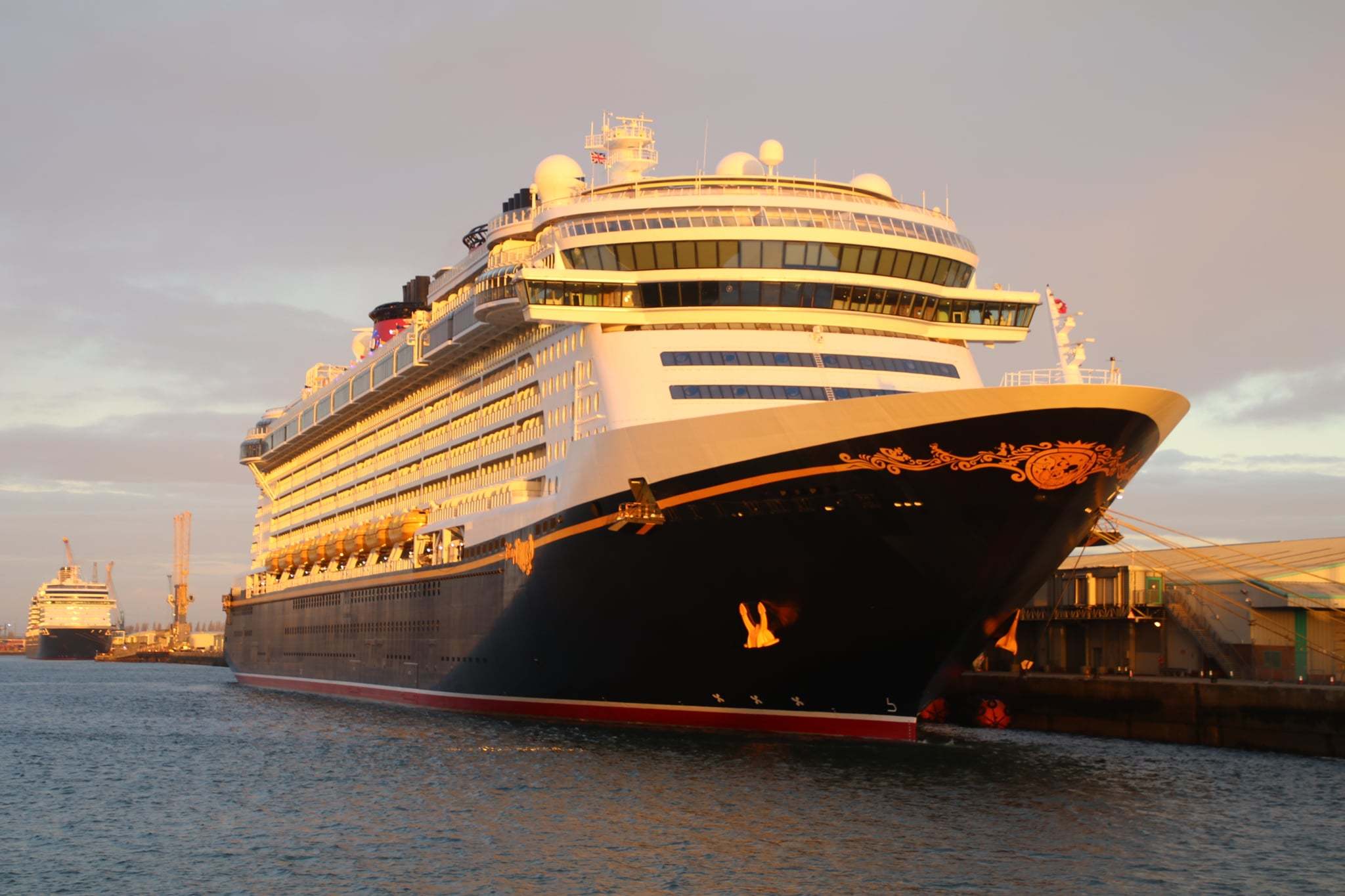
WINNER: ‘BEST CRUISE SHIP TOUR OPERATOR’ 2023 / 2024 UK NAUTICAL TOURISM AWARDS
Visit Salisbury
Salisbury is Wiltshire’s historic capital – A tiny city of 40,000, with a thousand years of history. Just a 45 minute drive from Southampton, Salisbury is one of the finest possible pit stops for any lover of history and is simply beautiful to the objective eye.
Circa 1217 BC, after the clergy abandoned the truly ancient site of Old Sarum and the its cathedral, the formation of Salisbury began in earnest. The city quickly rose to prominence and was one of the largest cities in the country by the reign of Henry VIII (1491-1547).
The city didn’t remain so prominent but has always maintained a sense of bygone times and its former glory and one is confronted with an impression of England-past when exploring the various sights of the city.
Salisbury Cathedral, the tallest medieval cathedral in Europe, is the true bastion of Salisbury’s magnificent history. The main building was completed in 1258, the lofty spire added in 1320 raising the building to an astonishing 123m tall. The building has awed spectators for centuries; visible for miles around, it is a historic beacon that draws visitors to the city.
The city itself will not disappoint, with a wide variety of restaurants and pubs (some up to 800 years old) for you to explore and plenty of accommodation in which to rest.
Visit Stonehenge
Only 15 minutes out of Salisbury stands one of the world’s most intriguing monuments. The infinitely mysterious Stonehenge. Built over 4,000 years ago for unknown reasons, the ginormous stones – some of which were dragged 140 miles from wales – still stand erect, challenging and engaging us with their pure antiquity.
Spending a night in Salisbury makes this unforgettable landmark all the more accessible. A private guided tour will allow you to interact with the area surrounding Stonehenge, learning from an expert the history and the myths of Neolithic Britain. You won’t just see Stonehenge; you’ll discover the lesser known Avebury stone circle (the largest stone circle in Europe), West Kennet Long-barrow, Woodhenge and much more!
Visit Winchester
The city of Winchester can rival any of our county’s cities for pure historical value. From iron age beginnings, after roman occupation, it became the capital of Wessex and a powerhouse of a city after the Norman landings in 1066. Today, it has maintained a sense of this rich history, the highlight being the stunning cathedral, construction of which began in 1079. All of this can be enjoyed in just 25 minutes from Southampton and 45 minutes from Salisbury. Any tour can easily accommodate this charming Hampshire city.
This a small example of the rich history available to you when you disembark in Southampton, other locations include…. Taking an 8 seater private tour transfer is a magical experience, turning transit into a truly enlightening experience – making the most of southern England’s historical effervescence.
The Stonehenge Travel and Tour Company
Stonehenge and Salisbury Guided Tours
The Local Travel Experts
Stonehenge Guided Walking Tours
Stonehenge needs little introduction. We all know it. But have you ever experienced it on foot? And do you know how those huge heavy rocks got there? Or what the ancient site was used for?
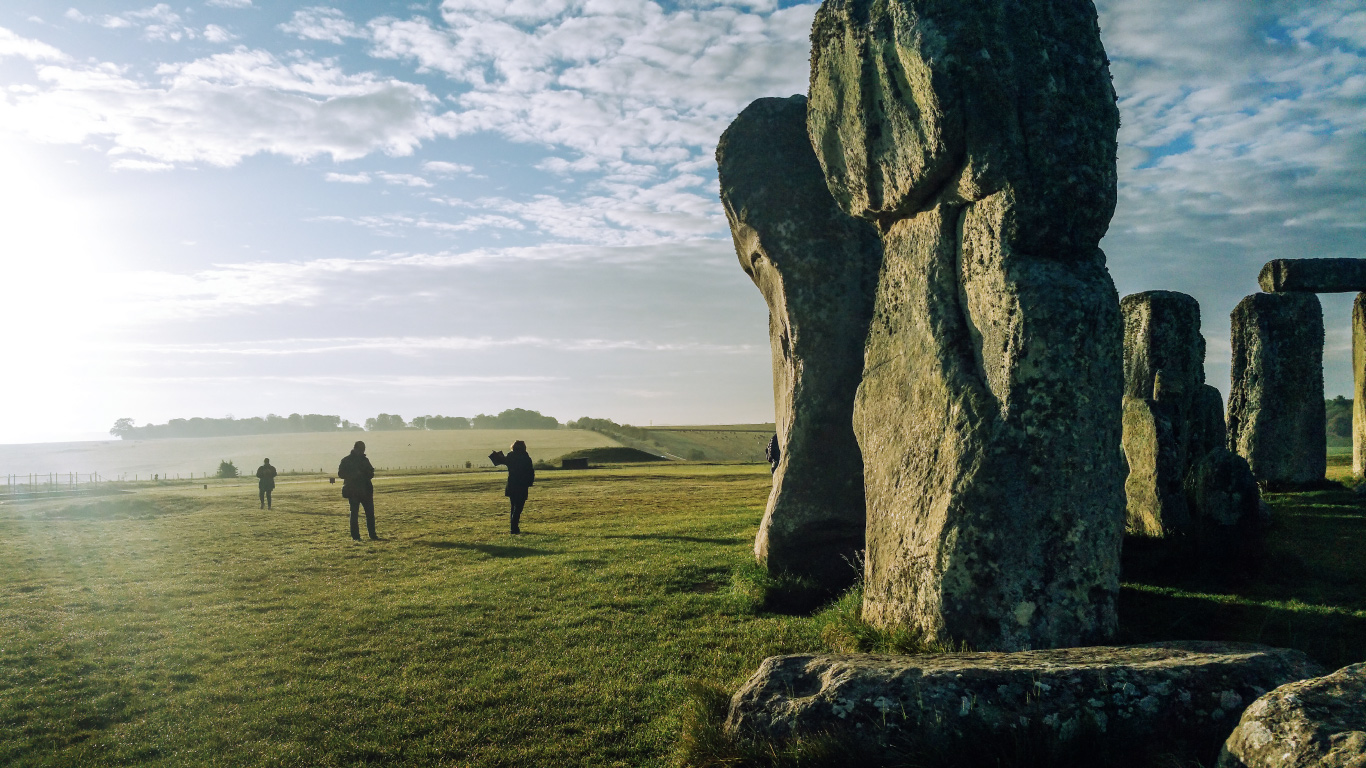
Stonehenge is surrounded by other prehistoric monuments, which are all part of the Stonehenge World Heritage Site? The best way to approach Stonehenge is on foot across the landscape, the same way that the ancient Neolithic and Bronze Age people did over 4000 years ago.
Our private guided walking tours provides you with spectacular views of the Stonehenge area rarely seen by the millions of people who visit the monument each year. This really is a wonderful walk with some tantalizing glimpses of the monument as you approach.
Is it really a Druid temple?
Are there mysterious energy paths that converge at the site?
Is it an eclipse predictor?
Or a place of healing?
Your expert tour guide for this experience is a local historian and astronomer who has spent the last 15 years researching Stonehenge and its surrounding area. He has an in-depth understanding of the solar and lunar alignment theories as well as a passion for the archaeology and history of the World Heritage Site.
Stonehenge special access tours can also be arranged and combined with our walking tours for private groups. Our guide can meet you at the English Heritage visitor center or Transport can be arranged for departures from Salisbury, Bath, Southampton or even London.
The Stonehenge Travel Company
www.StonehengeTravel.co.uk
WINNER: BEST ‘HISTORICAL TOUR OPERATOR’ 2021 / 2022 / 2023 / 2024
WINNERE: ‘BEST CRUISE SHIP TOUR OPERATOR’ 2023 / 2024 UK NAUTICAL TOURISM AWARDS
Famous Stonehenge stone came from Scotland not Wales?
The six-tonne Altar Stone at the heart of Stonehenge came from the far north of Scotland rather than south-west Wales as previously thought, new analysis has found.
The discovery shows the construction of Stonehenge was a far greater collaborative effort than scientists realised.
It also means that the ancient monument, near Salisbury in south-west England, was built with stones from all parts of Great Britain.
The findings suggest Neolithic Britain was a far more connected and advanced society than earlier evidence indicated.
The distance between Stonehenge and the far north of Scotland is about 700km (434 miles).
The research was led by a Welsh PhD student, Anthony Clarke, now working at Curtin University in Western Australia.
Such is the importance of the discovery that it has been published in one of the world’s leading scientific journals, Nature, external, which is an enormous achievement for an apprentice researcher.
But it is a bittersweet moment for the young Welshman, who was born in Pembrokeshire, where the Altar Stone was until now thought to have come from.
“I don’t think I’ll be forgiven by people back home,” he joked to BBC News. “It will be a great loss for Wales!”
But Mr Clarke points out that the remaining stones in the central horseshoe, which are known as bluestones, are from Wales and the larger stones in the outer circle are from England.
“We’ve got to give the Scots something!” he said.
“But on a serious note, Stonehenge seems to be this great British endeavour involving all the different people from all over the island,” he said.
The bluestones at Stonehenge were identified as coming from the Preseli hills in Pembrokeshire in 1923, by Welsh geologist Henry Herbert Thomas. The central Altar Stone was made of a different rock but always assumed to have come from the same area, until 20 years ago when scientists first began to question its origins.
Last year, researchers including Prof Nick Pearce from Aberystwyth in Wales, of all places, concluded that the Altar Stone could not have come from Wales. But its origin had remained a mystery, until now.
“It blew our socks off when we discovered it was from north-east Scotland,” Prof Pearce, who was also involved in the current discovery, told BBC News.
“It was a shock to say the least. Coming from that distance, more than 700km, was remarkable.
“The Neolithic people must have been pretty well connected, far more connected than people give them credit for. They must have been very well organised”.
The breakthrough was made by the team at Curtin university who analysed the chemical composition of fragments of rock that had fallen off the Altar Stone and dated them. The composition and date are unique to rocks from different parts of the world, rather like a fingerprint.
The Australian team had access to one of the most comprehensive global rock fingerprint databases and found the best match was from the Orcadian Basin, which includes the Caithness, Orkney, and Moray Firth regions of north-eastern Scotland.

Construction at Stonehenge began 5,000 years ago, with changes and additions over the next two millennia. Most of the bluestones are believed to have been the first stones erected at the site.
Dr Robert Ixer, from University College London, who was also involved in the study, described the result as “shocking”.
“The work prompts two important questions: how was the Altar Stone transported from the very north of Scotland, a distance of more than 700 kilometres, to Stonehenge, and, more intriguing, why?”
The distance is the longest recorded journey for any stone used in a monument at that period and Prof Peace says that the next mystery to solve is how it got there.
“There are obvious physical barriers to transporting by land, and an equally daunting journey if going by sea.
“These findings will have huge ramifications for understanding communities in Neolithic times, their levels of connectivity and their transport systems”.
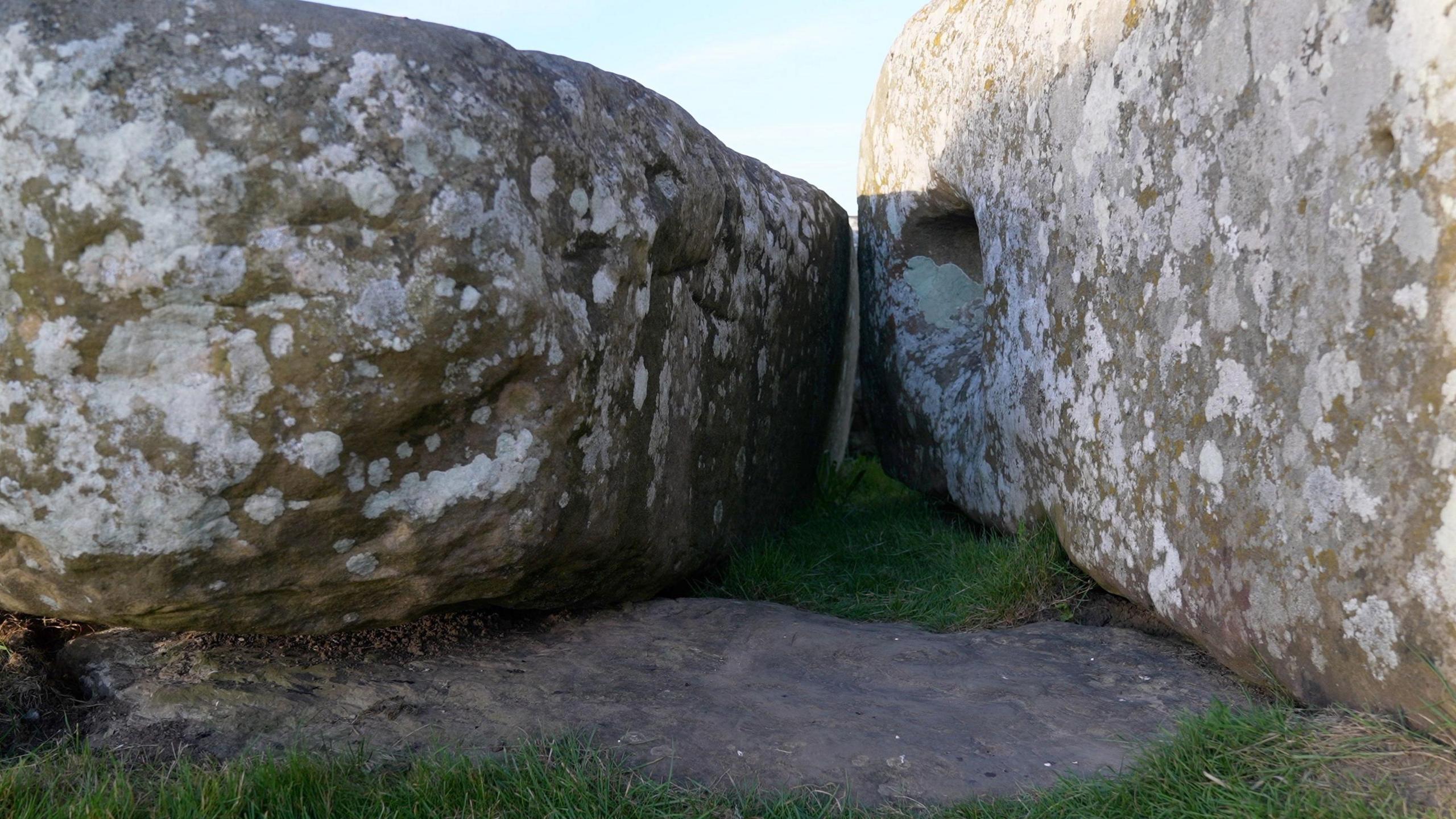
The new research will be pored over by archaeologists working for English Heritage, which looks after Stonehenge, according to one of the monument’s senior curators, Heather Sebire.
”This discovery certainly implies that there were great social connections in Britain at the time,” she told BBC News.
“It is phenomenal that the people of the time brought such a large stone all this way. They must have had a compelling reason to do it.
“They had a sophisticated and developed society and so they probably had a spiritual side, just like we do“. SOURCE: BBC
Book a Stonehenge private guided tour and hear all the latest theories.
The Stonehenge Travel Company
Planning a cruise that includes a stop at Portland Port in the U.K? Why not book a cruise ship tour?
While cruise ship excursions can be convenient, there are several compelling reasons to consider booking an independent private guided tour for your shore excursion.
Situated along the southernmost part of the Dorset Coast site lies the fabled island of Portland. This natural harbor was used for over 500 years by the British Royal Navy, and when breakwater construction was performed between 1848 and 1905, it created one of the largest man-made harbors in the world. An important launch site during both World Wars, the harbor was used for naval exercises until 1995, after which the waters became popular for tourism and were used for the sailing events during the 2012 Olympic Games. The tiny limestone island is home to the Abbotsbury Swannery, the only place in the world where you can walk freely through colonies of nesting mute swans, and is a perfect jumping-off point to visit the stone ruins of Corfe Castle, built by William the Conqueror. Take in the nearby magnificent Salisbury Cathedral, and experience the ancient mystery of the somber plinths of Stonehenge. Just four miles long by a mile and a half wide, Portland is ruggedly beautiful, with endless vistas and wild, natural landscapes. Stonehenge and Salisbury Cathedral is a very popular excursion from Portland and make a wonderful sightseeing day (source Princess Cruises)
WINNER: BEST ‘CRUISE SHIP TOUR OPERTATOR’ 2023 – UK NAUTICAL TOURISM AWARDS
PRIVATE GUIDED TOURS FROM PORTLAND:
This service is designed for customers who’s ship is visiting Portland as a port of call for the day, giving you the opportunity to visit Stonehenge and some of the exciting destinations the South West has to offer, before returning back to the ship in time for its evening departure.
A private tour is far more convenient and most likely more economical than joining a larger coach group and includes a ‘meet and greet’ service at Weymouth (Portland Port). Our company has special permission to park and personally meet you on the quay side as you walk off the ship saving you lots of sightseeing time.
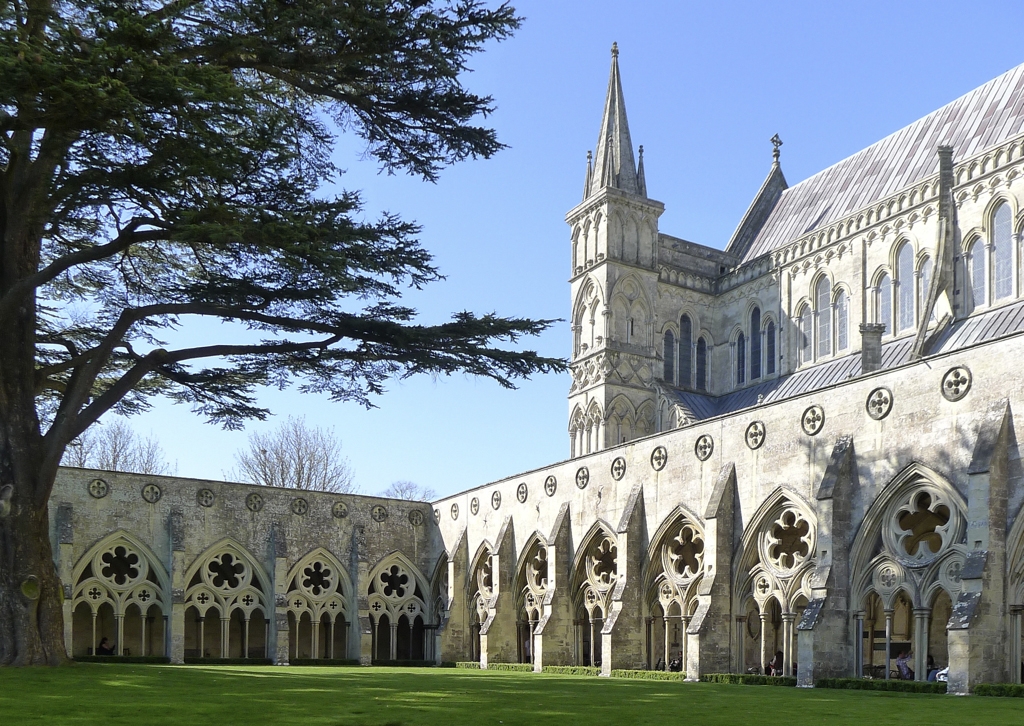


Dorset, Wiltshire and Somerset play host to some of the country’s richest historical cities and landmarks, so easily accessible from Portland’s beckoning harbour.
This private tour service is available on all cruise ships dates including: Disney Cruise, Royal Caribbean, Oceania, NCL, Celebrity, Azamara, Cunard, Norwegian Star, Carnival & Princess cruise ships visiting Portland. Service also available to passengers on other ships not listed when dates and arrival times coincide with ships listed. Please note you will need to make your own way to the ship we are servicing on that date.
Our private, Portland Port of Call tours offer:
- Exclusive use of a luxury touring vehicle and expert driver / guide
- Expert staff on hand to help plan your itinerary & ensure you make the most of your visit
- Create your own tour itinerary or take any of our regular tour routes – the choice is yours
Some tour examples and recommendations of places to visit are below – please remember this is only a small selection of popular requests. If your requirements differ from this please contact us and we will be happy to provide a quotation and suggested itinerary.
Morning or afternoon half day option(s) you will have time to visit one of these locations.
- Stonehenge – Visit one of the greatest mysteries of the prehistoric world.
- Salisbury Cathedral – See an original copy of the Magna Carta from 1215.
- Durdle Door and Corge Castle
- Weymouth & Portland
Full day option(s) you will have time to visit these locations.
- Bath & Stonehenge – Enjoy the Roman splendour of Bath followed by the mystery of Stonehenge.
- Stonehenge and Salisbury Cathedral and Magna Carta
- Durdle Door, Lulworth Cove & Corfe Castle
Every tour itinerary is specified to each ship’s docking time. We will do our best to show you as much as possible depending on your requirements.
We will get you back in time for the ship’s departure time. We always allow some extra time for any unforeseen happening for our return to the cruise terminal.
PRIVATE TOUR PRICES:
1-4 Passengers From £295
4-7 Passengers from £395
8 – 16 Passengers from £695
The Portland Cruise Ship Experts
Visit our website for more details on our tours
2025 Stonehenge Special Access Tours: Go beyond the fences and into the inner circle with a local expert guide. Salisbury, Bath, Southampton and London departures.
Experience the magic and mystery of Stonehenge with a private access tour at sunrise or sunset on our exclusive private guided tours from Salisbury, Bath, Southampton or London. Guests will be able to access the historic stone circle, and explore the surrounding area rich in history, myths and legends
“Exclusive entry into the stone circle allows you to wonder in and around the heritage site and experience an up close and personal look at this iconic monument.”
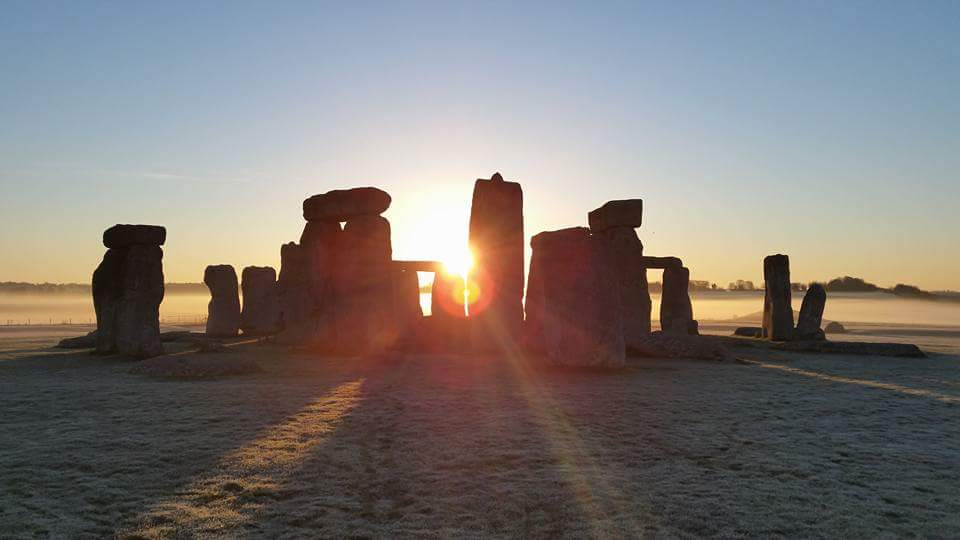
Click here to view our exclusive small group 2025 Stonehenge sunset tours
The Stonehenge Travel Company, based in Salisbury are widely considered as the local megalithic experts. Established in the 1990’s and approved by Visit Wiltshire
Salisbury, Bath and London tour departures throughout 2025: Perfect for individuals, couples, families and small groups. Experience an up close look at Stonehenge with a private viewing and exclusive entry into the inner circle. Our Stonehenge private tours enable you to depart from Salisbury and be dropped off after your tour in Bath, London, Southampton or any other UK destination giving the ultimate flexibility, reducing your travel costs and maximizing your UK sightseeing.
“After traveling thousands of miles to England to experience Stonehenge, make the journey truly worth while with a professional driver-guide and local expert.”
Email us today for advance availability and travel options: tours@stonehengetravel.co.uk
The Stonehenge Travel and Tour Company
Stonehenge and Salisbury Guided Tours
The Local Experts
WINNERS: BEST STONEHENGE PRIVATE GUIDED TOURS 2024 – SOUTH WEST TOURISM AWARDS
Red deer, wild boar and elk would have roamed the Stonehenge area 4,000 years before the stones were constructed, according to new research.

Scientists examined a nearby Mesolithic site and found the area was not a forest as previously thought.
Instead they believe it would have been populated by grazing animals and hunter-gatherers.
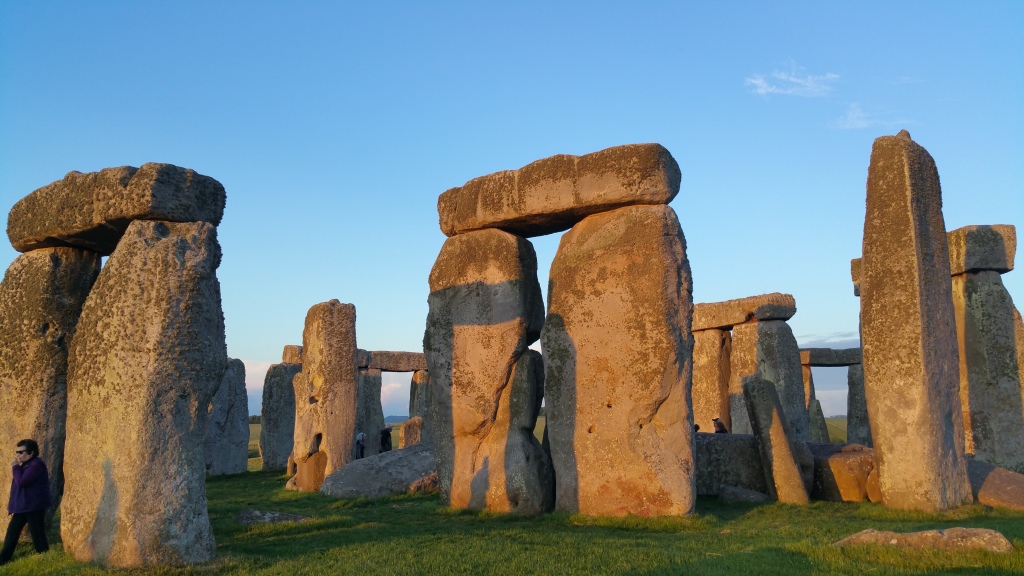
The work has helped build a picture of the habitat at the Wiltshire site from up to the Neolithic period (4,000 BC).
Samuel Hudson, from the University of Southampton, explained: “There has been intensive study of the Bronze Age and Neolithic history of the Stonehenge landscape, but less is known about earlier periods.
“Past theories suggest the area was thickly wooded and cleared in later periods for farming and monument building.
“However, our research points to pre-Neolithic, hunting-gatherer inhabitants, living in open woodland which supported aurochs and other grazing herbivores.”
The research team analysed pollen, fungal spores and traces of…
View original post 223 more words
Visiting Bath as a Tourist.
As ‘The Original Wellbeing Destination’ Bath has been a destination for fun, relaxation and pleasure since 46AD! The City of Bath was made a World Heritage site in 1987 and is best known for its Roman Built baths, from which it received its name, Aquae Sulis.
Bath is one of my favourite places to visit outside of London, it is a brilliant place to spend the day in or stay for a few days. It makes a great springboard to the many other exciting parts of the South West of England. You can get from London, Paddington by train in 90 minutes for as little as £25.00. After spending a few days there it’s easy to head south into Devon and Cornwall, west to Wales or north to Manchester and Liverpool.
The largest city in the county of Somerset, Bath has a population of about 90,000, including two universities, which add to the city’s special energy and sense of fun! Baths compact streets and bustling centre overflow with restaurants and cafes for refreshment and makes it a perfect place to wander around its many museums, galleries and sites of interest. It really is the place to eat, drink and be merry!
You don’t have to wait until the summer to visit, there are festivals in the city throughout the year so it’s always a good idea to check what special events are planned when you visit.
Constructed almost entirely of local, biscuit-coloured sandstone (referred to as Bath Stone or Cotswold Stone) and nestled between rolling hills, Bath has been brilliantly described as ‘a drop of honey in a sea of green.’ It lies at the centre of The Cotswolds, which consists of five counties boasting some of the most beautiful countryside and quintessentially English villages the UK can offer. The word ‘Cotswold’ means ‘sheep enclosed in rolling hillsides’ a reference to the area’s high dependency since the Medieval period on the woollen trade and farming in general since before the Romans arrived. It even has its own breed of sheep – the Cotswold Lion!
There is an excellent choice of independent shops around the city. Bath Aqua Glass (bathaquaglass.com) is one of my favourites. It produces its own blue tinged glass, creating bespoke items of glassware, jewellery and stained glass. I’ve bought several pieces in the past, it’s perfect for those tricky to buy for gifts. You can watch the crafts people in action as they demonstrate their amazing skills or even book a practical glassblowing experience!
Independent Spirit of Bath (shop.independentspiritofbath.co.uk) sells an amazing range of artisan gin, single malt whiskies and some of the best UK and world craft beers. I highly recommend the local Mead or ‘honey wine’. Given as a gift since the 1300s to newly married couples who would celebrate their nuptials during the first month of marriage with a nip of the wine each evening to get to know each other a little better….it’s where the term ‘Honeymoon’ comes from, making it an ideal wedding or anniversary gift, just remember to buy yourself a bottle too!
The Georgian architecture gives the city a very distinctive feel and you really do feel as if you have stepped into a Jane Austin novel! Several free tours, sponsored by the local council start from outside the Baths and bring the literary legacy of the city alive – Charles Dickens wrote some of The Pickwick Papers in Bath and Mary Shelley completed her gothic novel, Frankenstein, there. Buildings where these authors stayed are just a few minutes from the Baths as is the welcoming Jane Austin Centre which chronicles the life of the fascinating writer, surely the inventor of ‘Girl Power’! They also boast a wonderful TeaRoom which recently achieved a Tea Guild ‘Award of Excellence’ so you know you’re in for a great cuppa, the Brits favourite brew!
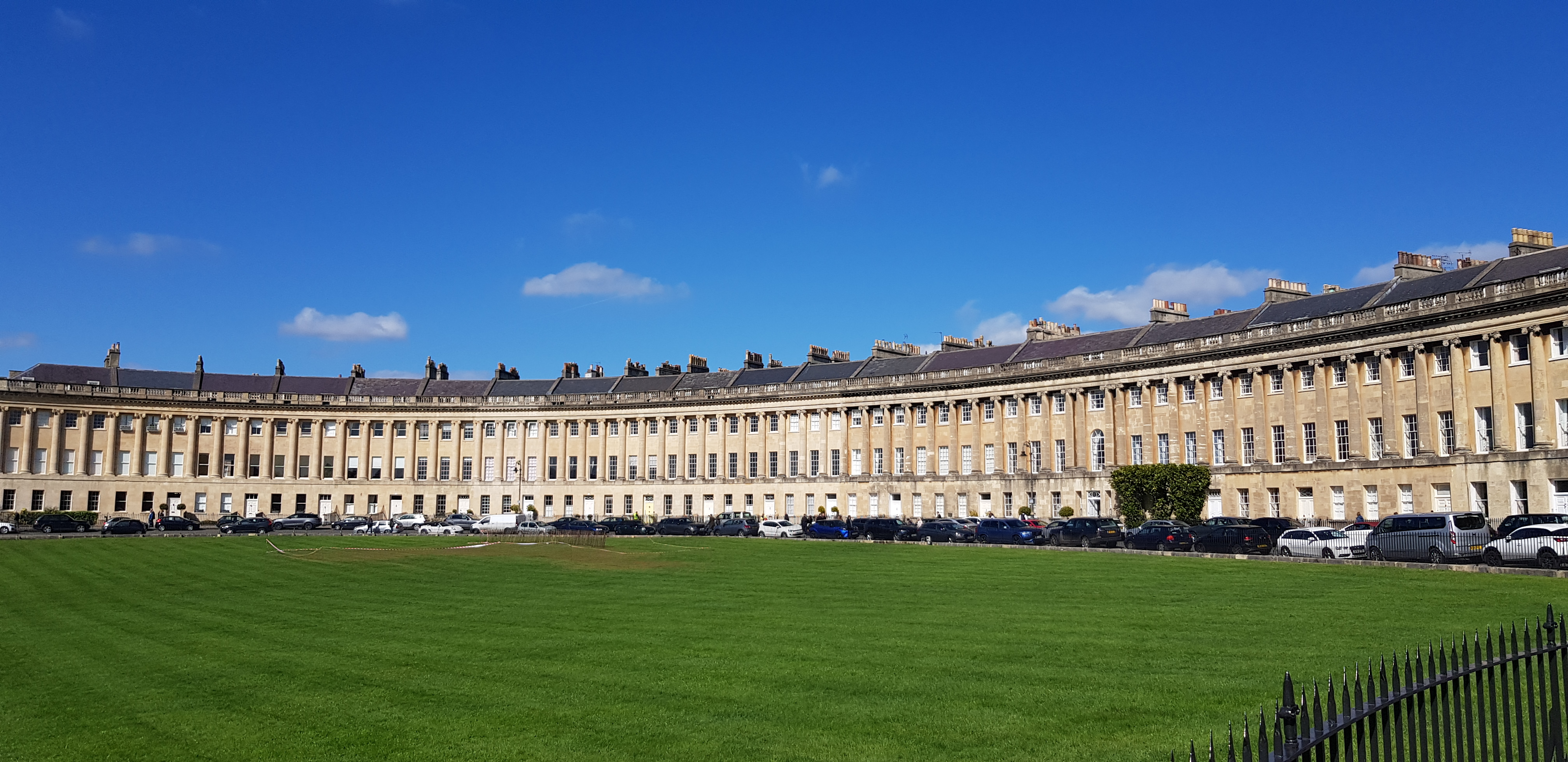
Examples of Palladian architecture are seen all over the city, this style became very popular in London, one example of this style is the facade of Buckingham Palace. The Classical references of symmetry with columns, pillars, pilasters and cornices are just a few architectural features you will become very familiar with in Bath but most striking are the large number of windows the design allows. London visitors would jealously comment the extra light Bath residents enjoyed. Three places that best show the splendour of Bath architecture are Queen Square, The Circus and The Royal Crescent itself. They are all within 15-20 minutes walk and well worth exploring.
The Architects John Wood the Elder and his son (also called John Wood!) were responsible for the architecture of all three.
Queen Square is the first of the three elements that make up the sequence of some of Baths most amazing architecture. Each of the four sides contains several apartments and were designed to represent a palace with wings and a forecourt when viewed from any side. An Obelisk dedicated to Fredrick, Prince of Wales is worth taking a look at in the centre of the garden.
The Circus is a ring of houses just a short walk away which has three entrances, each showing a classical facade. Its dimensions are based on the nearby monument of Stonehenge as the architect believed Bath was a centre of Druid activity. Take a moment or two to look at some of the 525 triglyphs (symbols) which represent science and nature, serpents of myth and nautical imagery, etc adorning the frieze that runs all the way around the Circus. Nicholas Cage has a house on the Circus (I won’t tell which but you might notice the one door without a number that is his!)
The Royal Crescent is the creme de la creme of Bath’s architecture, with 30 terraced houses, all Grade I listed, it boasts 114 Ionic columns and was the very first crescent of terraced houses in England. The view from the top of the terrace is wonderful stretching over Victoria Park.
Once you have had a good look around The Royal Crescent and maybe grabbed a bite to eat on your way back into the centre of the city there are still loads of great places to explore.
The most obvious being The Roman Baths themselves – 1.3 million visitors a year can’t be wrong!
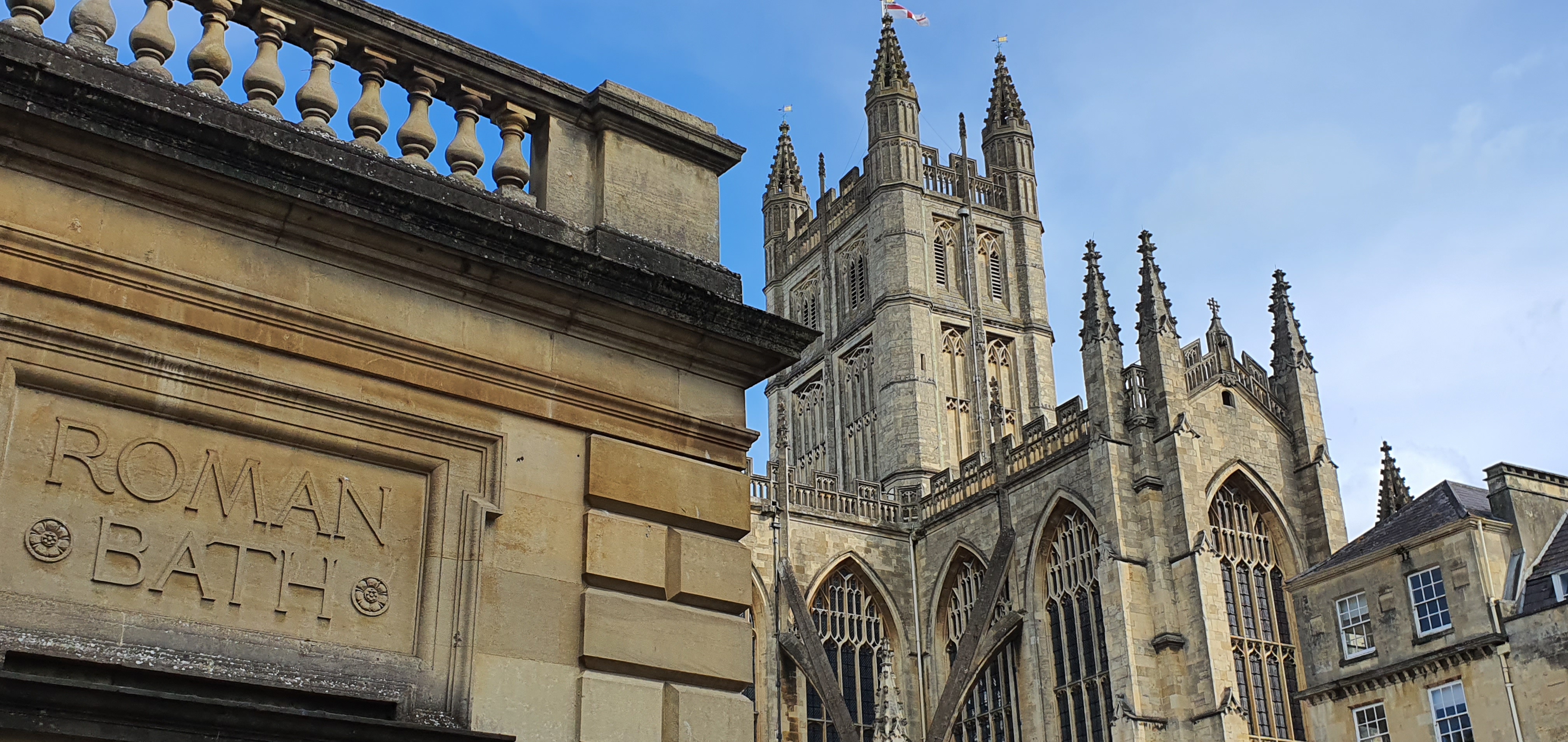
The Roman baths were built over the site of a Celt temple, known by the Romans as Aqua Sulis (Latin for Waters of Sulis). Bath quickly became a very important centre in their rule over the English (this was because of the importance of farming in the Cotswolds, remember the sheep – Cotswold Lions?!) The baths themselves are some of the best preserved in the world, containing the Sacred Spring, the Roman Temple, the Roman Bath House together with a museum of artefacts from the Roman City Aqua Sulis.
The baths are now enclosed in a 19th Century building and, sadly, it’s no longer possible to bathe in the waters due to health and safety regulations although the water is drinkable once treated with ultraviolet light to stop you suffering any tummy troubles! Many believe that ‘taking the waters’ is of great benefit to your health due to its special properties- it contains many vitamins and minerals, there is a Grand Pump Room where you can do this. Some people stay for a cup of tea in the tea room but personally I’d just pop in, walk to the back if the tea room and sample a glass or two of the special water from the free drinking fountain – there must be some truth in it’s mystical properties because I’ll be 259 in November!
Just next to the Baths themselves is my favourite place to visit, Bath Abbey. It is free to visit (although they do ask for a donation) and if you time it right you can have a guided visit of the tower. It is a beautiful building bursting with history and the wonderful volunteers are full of amazing stories and about the Abbey. A place of worship has been on the site from before the rule of Oliver Cromwell in 1066. After many rebuilds and restorations its present exterior is one of the largest Perpendicular Gothic design buildings in England with a similar architectural design to Westmister Abbey in London.
My favourite parts of the abbey date from the late 15th / 16th century when Bishop Oliver King visited, he describes that the monks there lacked discipline, were idle and “all too eager to succumb to the temptations of the flesh.” However he had a dream in which he “saw the Heavenly Host on high with angels ascending and descending by ladder” and commanded that a new building be constructed, from then on, much of the Abbey’s income was dedicated to creating a new cathedral. On either side of the Western front door is a Jacob’s Ladder to represent his dream, look out for the ‘Fallen Angel’ on either side. Above the door is a statue of Henry VII, father of notorious Henry VIII. The building is one of few religious buildings to survive Henry VIII’s quarrel with the Catholic church and development of the Church of England – I bet he saw his dad up there and decided that he better not touch the building!
Henry VII refused to allow Bishop Oliver King to have his own name or a statue added to the building for which he was very proud, however, look closely on each side of the North Door and you’ll see a strange carving of a mitre (a Bishop’s hat), above an Olive tree (Oliver), encircled by a crown (king) – a clever workaround by the sneaky Bishop who added his name in this way not once but twice!
These are just a few of the places I love in Bath – a place to eat, drink and be merry, and keep anyone entertained – I hope to see you there soon!
Other attractions in Bath that I will mention in a Blog of their own soon include – Pultney Bridge, Therme Bath Spa, Holburne Museum, the Fashion Museum, Sally Lunn’s Tea House, The Herschel Museum of Astronomy Theatre Royal, American Museum, Victoria Art Gallery Bath Postal Museum, Museum of Bath at Work, and No. 1 Royal Crescent.
There are daily coach tours departing from London that also visit Stonehenge and other attractions in the South West and we operate daily small group tours departing from Bath and organise private guided sighseeing tours for families and small groups. We also offer transfer tours starting at London, Salisbury, Southampton and Bath.
The Stonehenge Travel and Tour Company
WINNER: BEST HISTORICAL TOUR OPERATOR 2021 – SOUTH WEST TOURISM AWARDS
Stonehenge and Bath Guided Tours
http://www.StonehengeTravel.co.uk
The South West Britain Travel Experts
This summer is a golden opportunity to visit Stonehenge without the crowds
Visit Stonehenge with the local experts. Private tours from Salisbury, Bath and Southampton,
Stonehenge normally receives over one million visitors a year. During peak periods, there are over 10,000 visitors a day with queues stretching up to 100 meters from the ticket office to the car park. Due to current travel restrictions and very few overseas visitors, capacity has reduced to a fifth of what it is normally.
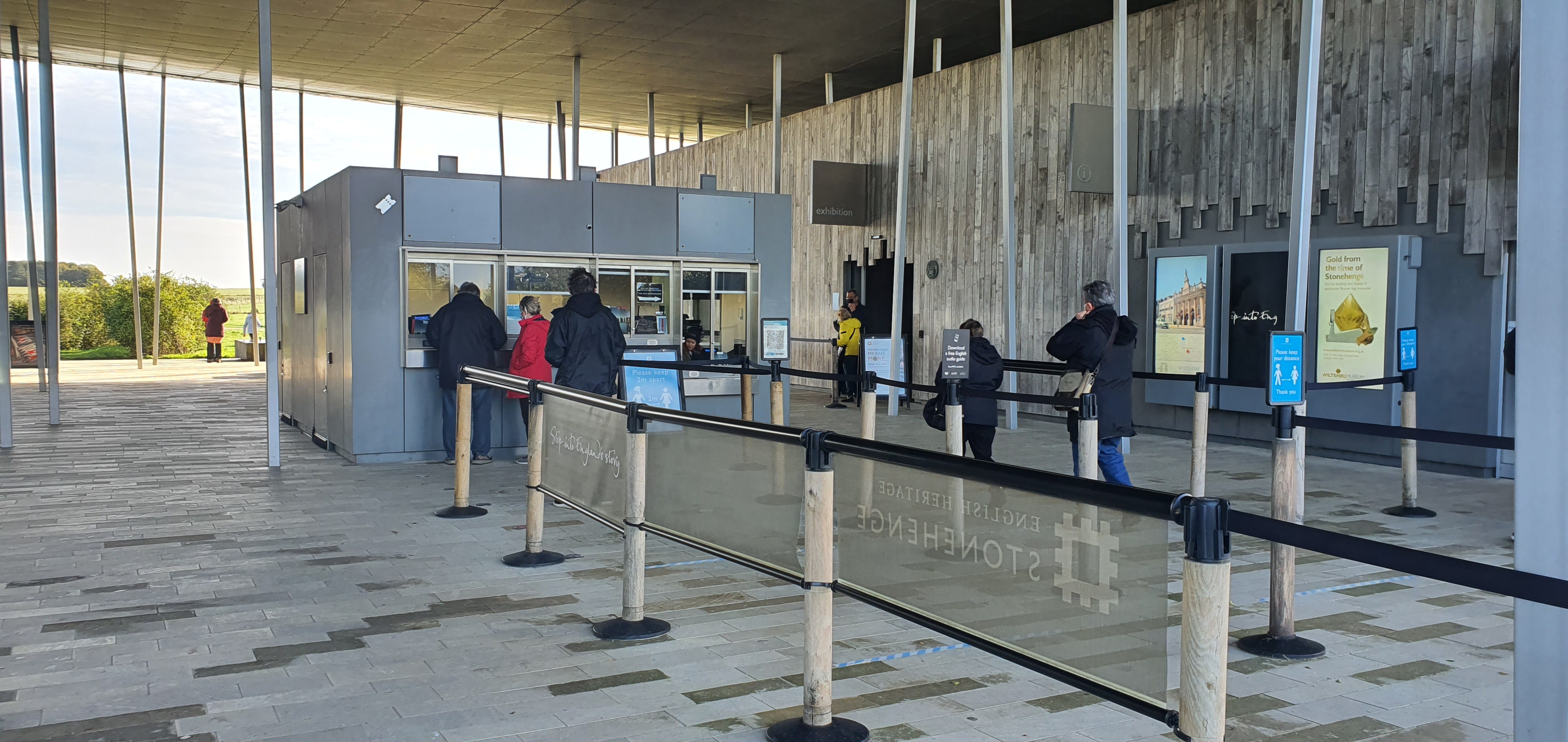
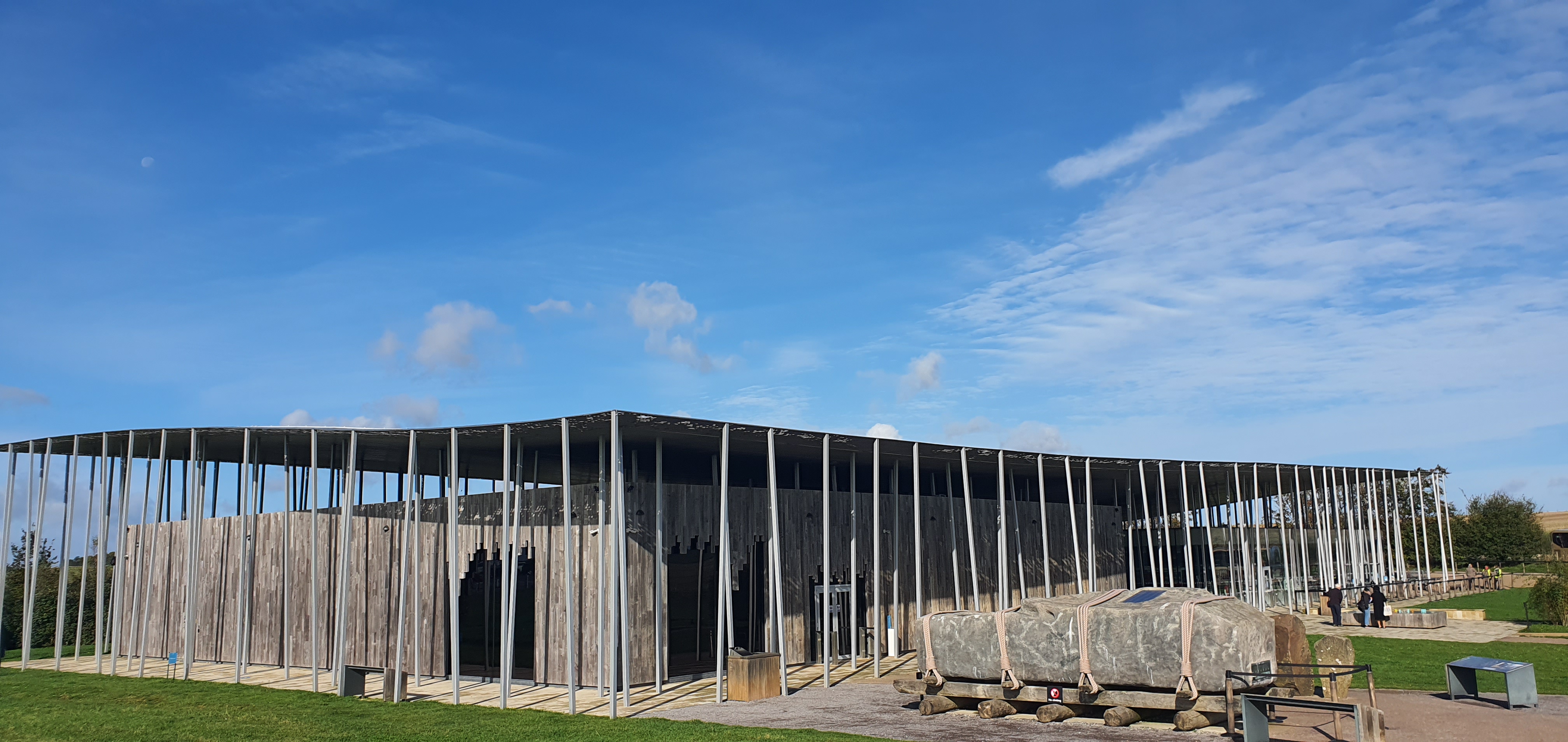
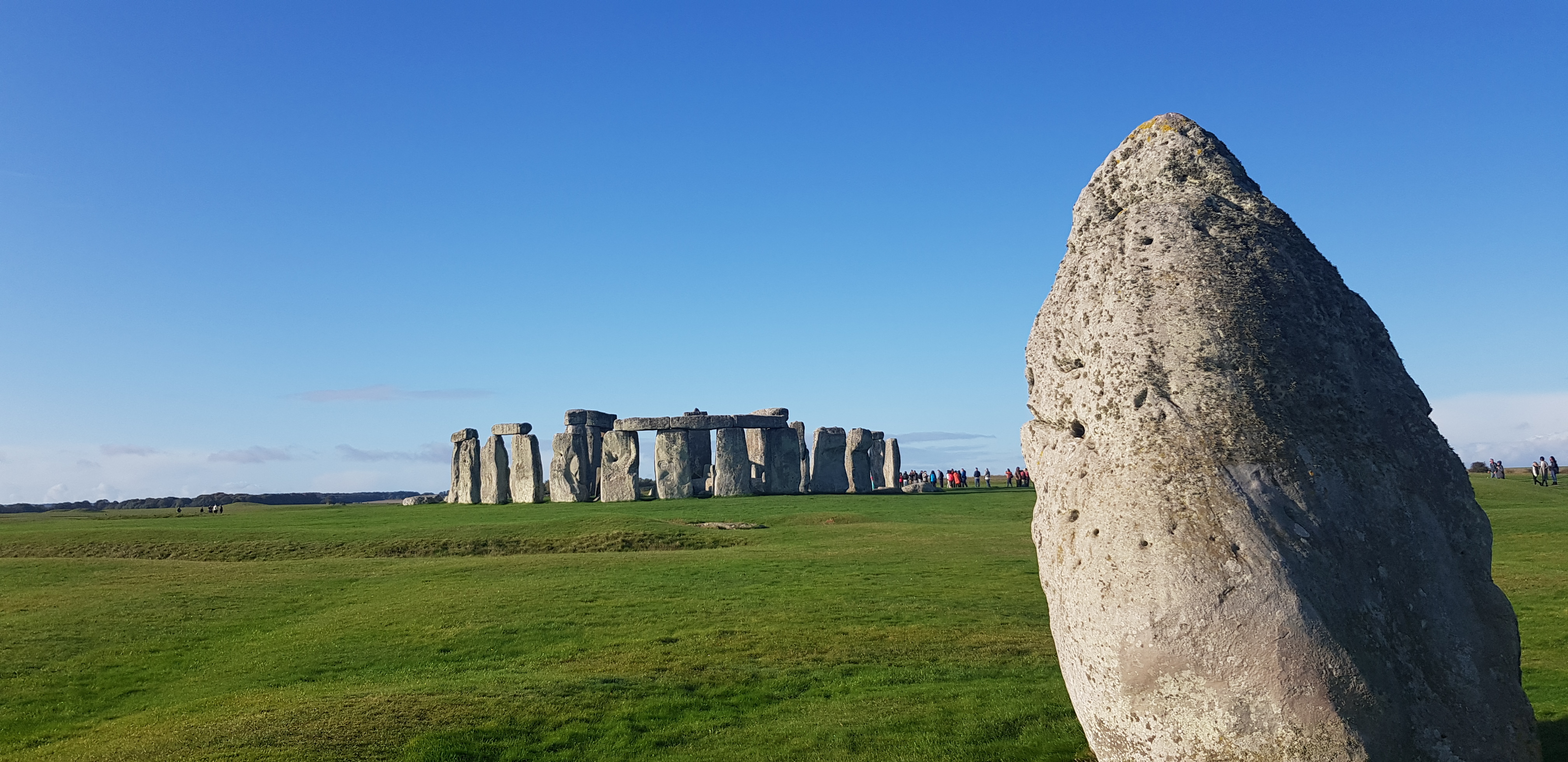
The English Heritage Stonehenge experience as an independent visitor:
I’m sure that if you’re planning a trip to Stonehenge you already have an idea of how special the monument is. Stonehenge is full of mystery; its construction and very existence are still open to interpretation even in our technologically advanced world. Stonehenge boasts an amazing and unique design. Many believe that the stones possess healing powers. All this is true and visiting Stonehenge is almost an ethereal experience, perhaps because of the mysteries surrounding it. I want you to get the most out of your…
View original post 1,263 more words
The ‘remarqueable’ John Aubrey – Antiquary Son of Wiltshire.
The 17th Century gentleman antiquarian, John Aubrey, is a fascinating, if elusive figure. Most famous for his proto-biography anthology, Brief Lives, in which he pithily captures in a few well-turned lines the key movers and shakers of his age, he is somewhat eclipsed by the greater lives he wrote about. Of Welsh descent (with family connections in Hereford and South Wales), Aubrey was born in Easton Piercy, Wiltshire 1626, and was to witness some of the most tumultuous events in English history.

Growing up within living memory of the rein of Elizabeth I, and amid the ruinous devastation caused by her murderous father, Henry VIII, Aubrey was the witness firsthand the chaos of the English Civil War, the execution of Charles I, the merry England of Charles II, the brief rein of James II, and the Glorious Revolution, which saw in William and Mary. Living through such turbulent times…
View original post 780 more words
APPROVED MEMBER

 Stonehenge and Salisbury Guided Tours