Home » 2024
Yearly Archives: 2024
Are you arriving into Southampton Cruise Ship Port? Take a transfer tour and make the most of the historic and beautiful landscape that lies in between?
It is far too easy to storm up the M3, Southampton to London, oblivious to the history that is hurtling past you. Hampshire and Wiltshire play host to some of the country’s richest historical cities, so easily accessible from Southampton’s beckoning harbour. So instead of rushing past, take a tour transfer – see Stonehenge, Windsor Castle, Bath and its surrounding area, teeming with Neolithic history. Turn a commute into an adventure, a private tour experience exhibiting the best of the area which you almost missed! Our luxury minivans are spacious and have ample luggage space.
- Southampton – Stonehenge – Salisbury – London Heathrow Airport Terminals
- Southampton – Stonehenge – Windsor Castle – Central London
- Southampton – Stonehenge – Highclere Castle (Downton Abbey) – London
- Southampton – Winchester – Stonehenge – Salisbury – Southampton
- Southampton – Stonehenge Access – Traditional Country Pub Lunch – London
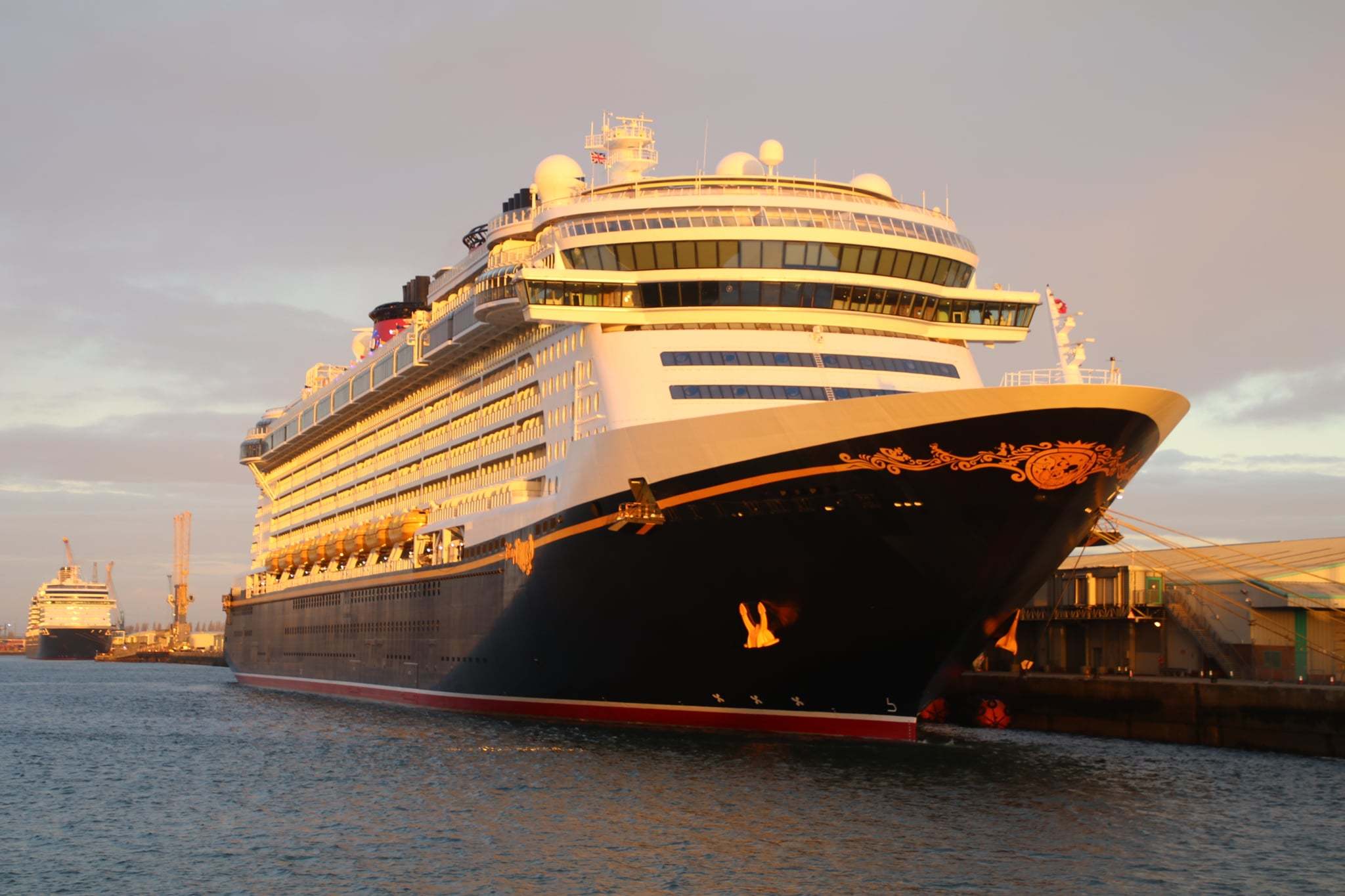
WINNER: ‘BEST CRUISE SHIP TOUR OPERATOR’ 2023 / 2024 UK NAUTICAL TOURISM AWARDS
Visit Salisbury
Salisbury is Wiltshire’s historic capital – A tiny city of 40,000, with a thousand years of history. Just a 45 minute drive from Southampton, Salisbury is one of the finest possible pit stops for any lover of history and is simply beautiful to the objective eye.
Circa 1217 BC, after the clergy abandoned the truly ancient site of Old Sarum and the its cathedral, the formation of Salisbury began in earnest. The city quickly rose to prominence and was one of the largest cities in the country by the reign of Henry VIII (1491-1547).
The city didn’t remain so prominent but has always maintained a sense of bygone times and its former glory and one is confronted with an impression of England-past when exploring the various sights of the city.
Salisbury Cathedral, the tallest medieval cathedral in Europe, is the true bastion of Salisbury’s magnificent history. The main building was completed in 1258, the lofty spire added in 1320 raising the building to an astonishing 123m tall. The building has awed spectators for centuries; visible for miles around, it is a historic beacon that draws visitors to the city.
The city itself will not disappoint, with a wide variety of restaurants and pubs (some up to 800 years old) for you to explore and plenty of accommodation in which to rest.
Visit Stonehenge
Only 15 minutes out of Salisbury stands one of the world’s most intriguing monuments. The infinitely mysterious Stonehenge. Built over 4,000 years ago for unknown reasons, the ginormous stones – some of which were dragged 140 miles from wales – still stand erect, challenging and engaging us with their pure antiquity.
Spending a night in Salisbury makes this unforgettable landmark all the more accessible. A private guided tour will allow you to interact with the area surrounding Stonehenge, learning from an expert the history and the myths of Neolithic Britain. You won’t just see Stonehenge; you’ll discover the lesser known Avebury stone circle (the largest stone circle in Europe), West Kennet Long-barrow, Woodhenge and much more!
Visit Winchester
The city of Winchester can rival any of our county’s cities for pure historical value. From iron age beginnings, after roman occupation, it became the capital of Wessex and a powerhouse of a city after the Norman landings in 1066. Today, it has maintained a sense of this rich history, the highlight being the stunning cathedral, construction of which began in 1079. All of this can be enjoyed in just 25 minutes from Southampton and 45 minutes from Salisbury. Any tour can easily accommodate this charming Hampshire city.
This a small example of the rich history available to you when you disembark in Southampton, other locations include…. Taking an 8 seater private tour transfer is a magical experience, turning transit into a truly enlightening experience – making the most of southern England’s historical effervescence.
The Stonehenge Travel and Tour Company
Stonehenge and Salisbury Guided Tours
The Local Travel Experts
Stonehenge Guided Walking Tours
Stonehenge needs little introduction. We all know it. But have you ever experienced it on foot? And do you know how those huge heavy rocks got there? Or what the ancient site was used for?
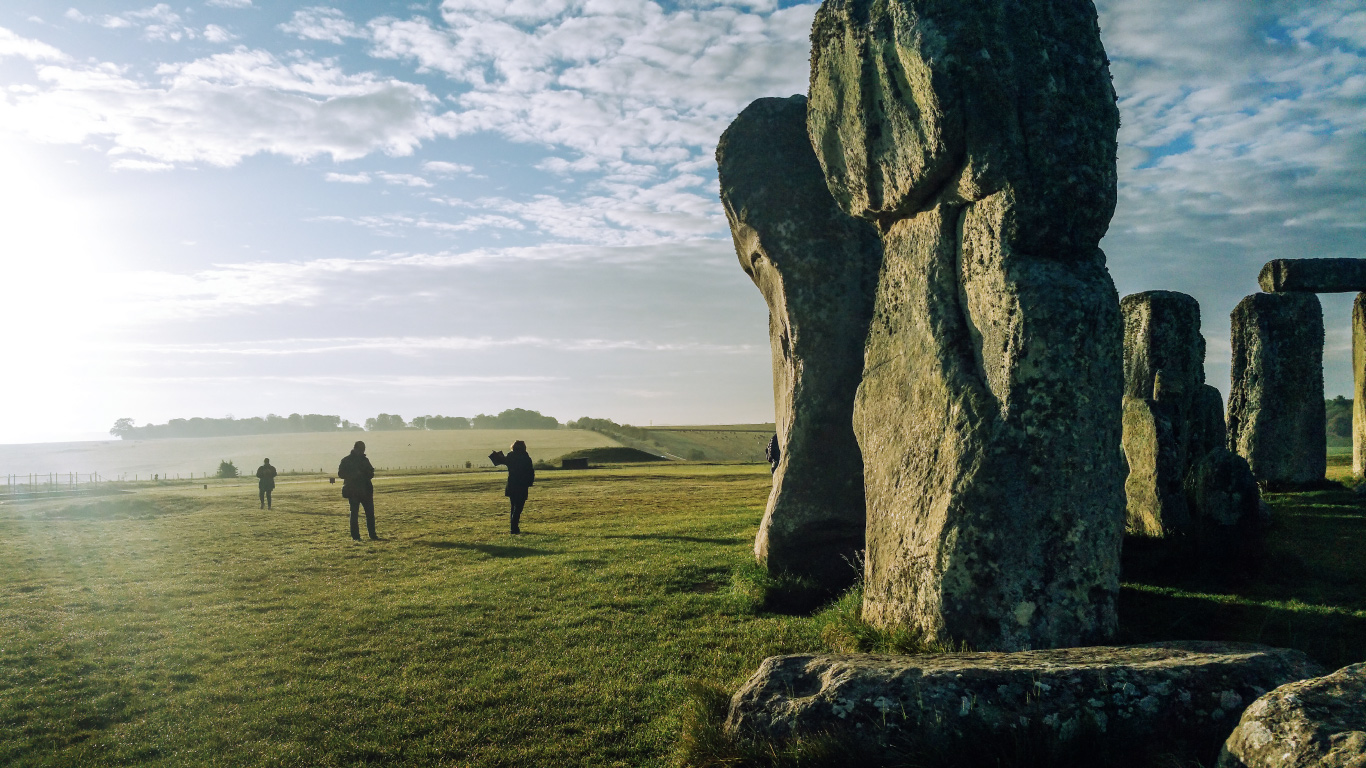
Stonehenge is surrounded by other prehistoric monuments, which are all part of the Stonehenge World Heritage Site? The best way to approach Stonehenge is on foot across the landscape, the same way that the ancient Neolithic and Bronze Age people did over 4000 years ago.
Our private guided walking tours provides you with spectacular views of the Stonehenge area rarely seen by the millions of people who visit the monument each year. This really is a wonderful walk with some tantalizing glimpses of the monument as you approach.
Is it really a Druid temple?
Are there mysterious energy paths that converge at the site?
Is it an eclipse predictor?
Or a place of healing?
Your expert tour guide for this experience is a local historian and astronomer who has spent the last 15 years researching Stonehenge and its surrounding area. He has an in-depth understanding of the solar and lunar alignment theories as well as a passion for the archaeology and history of the World Heritage Site.
Stonehenge special access tours can also be arranged and combined with our walking tours for private groups. Our guide can meet you at the English Heritage visitor center or Transport can be arranged for departures from Salisbury, Bath, Southampton or even London.
The Stonehenge Travel Company
www.StonehengeTravel.co.uk
WINNER: BEST ‘HISTORICAL TOUR OPERATOR’ 2021 / 2022 / 2023 / 2024
WINNERE: ‘BEST CRUISE SHIP TOUR OPERATOR’ 2023 / 2024 UK NAUTICAL TOURISM AWARDS
Famous Stonehenge stone came from Scotland not Wales?
The six-tonne Altar Stone at the heart of Stonehenge came from the far north of Scotland rather than south-west Wales as previously thought, new analysis has found.
The discovery shows the construction of Stonehenge was a far greater collaborative effort than scientists realised.
It also means that the ancient monument, near Salisbury in south-west England, was built with stones from all parts of Great Britain.
The findings suggest Neolithic Britain was a far more connected and advanced society than earlier evidence indicated.
The distance between Stonehenge and the far north of Scotland is about 700km (434 miles).
The research was led by a Welsh PhD student, Anthony Clarke, now working at Curtin University in Western Australia.
Such is the importance of the discovery that it has been published in one of the world’s leading scientific journals, Nature, external, which is an enormous achievement for an apprentice researcher.
But it is a bittersweet moment for the young Welshman, who was born in Pembrokeshire, where the Altar Stone was until now thought to have come from.
“I don’t think I’ll be forgiven by people back home,” he joked to BBC News. “It will be a great loss for Wales!”
But Mr Clarke points out that the remaining stones in the central horseshoe, which are known as bluestones, are from Wales and the larger stones in the outer circle are from England.
“We’ve got to give the Scots something!” he said.
“But on a serious note, Stonehenge seems to be this great British endeavour involving all the different people from all over the island,” he said.
The bluestones at Stonehenge were identified as coming from the Preseli hills in Pembrokeshire in 1923, by Welsh geologist Henry Herbert Thomas. The central Altar Stone was made of a different rock but always assumed to have come from the same area, until 20 years ago when scientists first began to question its origins.
Last year, researchers including Prof Nick Pearce from Aberystwyth in Wales, of all places, concluded that the Altar Stone could not have come from Wales. But its origin had remained a mystery, until now.
“It blew our socks off when we discovered it was from north-east Scotland,” Prof Pearce, who was also involved in the current discovery, told BBC News.
“It was a shock to say the least. Coming from that distance, more than 700km, was remarkable.
“The Neolithic people must have been pretty well connected, far more connected than people give them credit for. They must have been very well organised”.
The breakthrough was made by the team at Curtin university who analysed the chemical composition of fragments of rock that had fallen off the Altar Stone and dated them. The composition and date are unique to rocks from different parts of the world, rather like a fingerprint.
The Australian team had access to one of the most comprehensive global rock fingerprint databases and found the best match was from the Orcadian Basin, which includes the Caithness, Orkney, and Moray Firth regions of north-eastern Scotland.

Construction at Stonehenge began 5,000 years ago, with changes and additions over the next two millennia. Most of the bluestones are believed to have been the first stones erected at the site.
Dr Robert Ixer, from University College London, who was also involved in the study, described the result as “shocking”.
“The work prompts two important questions: how was the Altar Stone transported from the very north of Scotland, a distance of more than 700 kilometres, to Stonehenge, and, more intriguing, why?”
The distance is the longest recorded journey for any stone used in a monument at that period and Prof Peace says that the next mystery to solve is how it got there.
“There are obvious physical barriers to transporting by land, and an equally daunting journey if going by sea.
“These findings will have huge ramifications for understanding communities in Neolithic times, their levels of connectivity and their transport systems”.
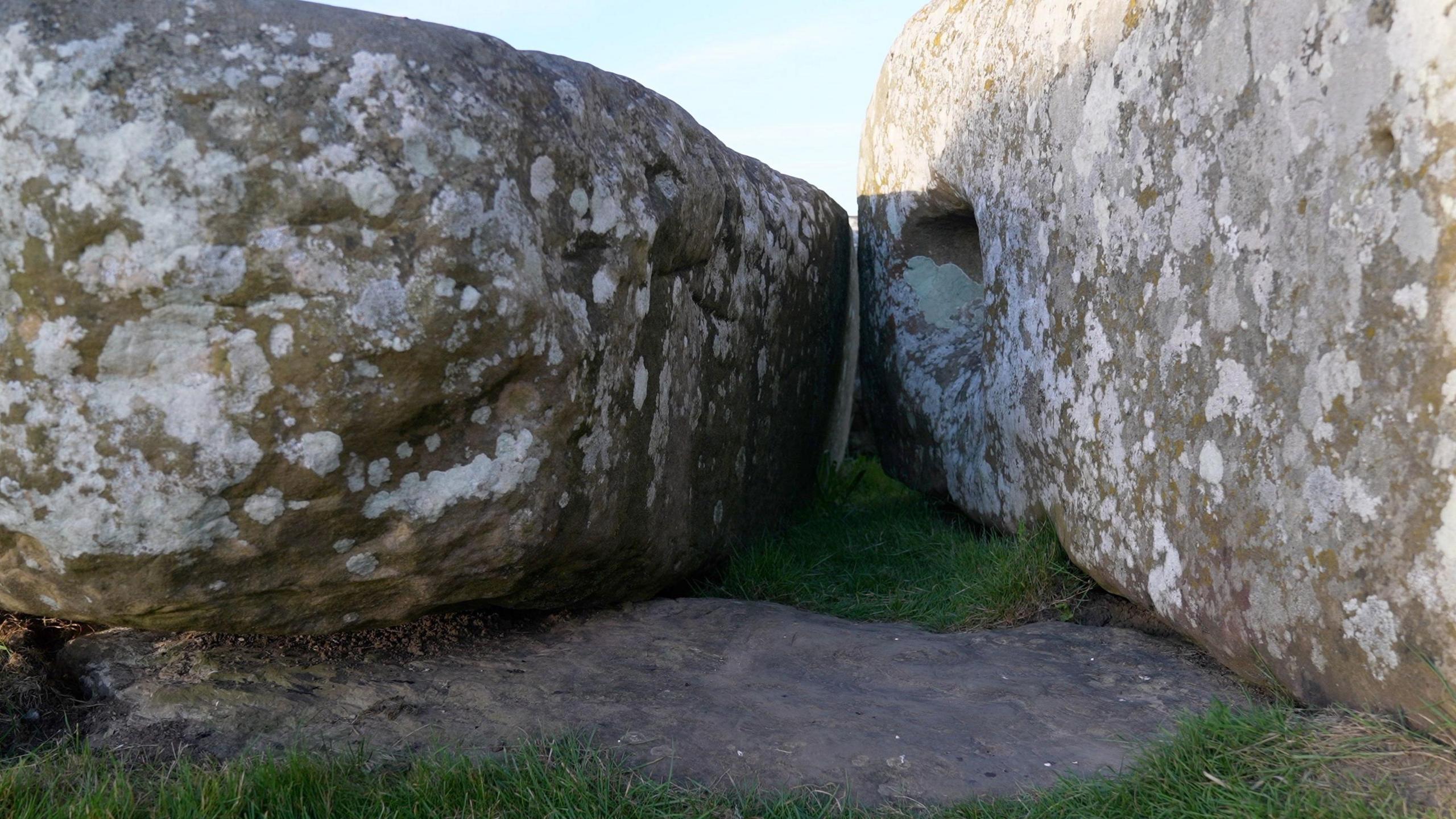
The new research will be pored over by archaeologists working for English Heritage, which looks after Stonehenge, according to one of the monument’s senior curators, Heather Sebire.
”This discovery certainly implies that there were great social connections in Britain at the time,” she told BBC News.
“It is phenomenal that the people of the time brought such a large stone all this way. They must have had a compelling reason to do it.
“They had a sophisticated and developed society and so they probably had a spiritual side, just like we do“. SOURCE: BBC
Book a Stonehenge private guided tour and hear all the latest theories.
The Stonehenge Travel Company
 Stonehenge and Salisbury Guided Tours